
What Should I Do After My Car Breaks Down?
A vehicle breakdown can happen when you least expect it. Whether you’re driving on a busy highway, a city street, or a residential road, the decisions you make in the first few minutes can have a major impact on your safety.
At Hawaii Towing Company, we’ve responded to thousands of breakdown calls over the past 15 years. While every situation is different, we’ve noticed the same mistakes happening over and over again. In our experience, the biggest priority after a breakdown isn’t getting your vehicle repaired—it’s making sure you and everyone around you stay safe.
The Biggest Mistake Drivers Make After a Breakdown
If there’s one lesson we’ve learned from thousands of roadside assistance and towing calls, it’s this:
Many drivers fail to turn on their hazard lights immediately after their vehicle breaks down.
Hazard lights provide critical warning to approaching drivers. Without them, other motorists may not realize there’s a disabled vehicle ahead until it’s too late to react safely.
We’ve also seen drivers remain in dangerous locations without taking steps to get themselves or their vehicle out of harm’s way. This can be especially dangerous on highways and high-speed roadways where traffic is moving quickly.
Our advice is simple:
- Turn on your hazard lights immediately.
- Move your vehicle to a safer location if possible.
- Get yourself out of harm’s way when conditions allow.
- Call for roadside assistance or a tow truck.
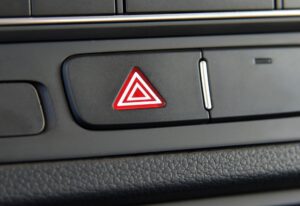
Step 1: Turn On Your Hazard Lights Immediately
The moment you realize your vehicle is disabled, activate your hazard lights.
This is often the fastest and easiest way to alert other drivers that something is wrong. Hazard lights increase visibility and give approaching traffic additional time to react.
If it’s dark outside, visibility becomes even more important. One of the biggest lessons we’ve learned over the years is that every breakdown scene should be illuminated as much as possible. The more visible your vehicle is, the safer the situation becomes for everyone involved.
Step 2: Move to a Safe Location If Possible
If your vehicle is still capable of moving, carefully steer it out of the flow of traffic.
Depending on your location, this may mean moving to:
- The shoulder of the road
- A parking lot
- A side street
- A designated emergency stopping area
- A median or other safer location away from active traffic lanes
The goal is simple: create as much distance as possible between your vehicle and moving traffic.
A disabled vehicle sitting in an active lane creates a dangerous situation for both the driver and approaching motorists.
Step 3: Decide Whether to Stay in the Vehicle or Exit Safely
This decision depends on the situation.
In our experience, busy highways require special attention because secondary accidents can happen unexpectedly.
If you’re stopped on a high-speed highway shoulder, remaining inside the vehicle isn’t always the safest option. We’ve seen situations where disabled vehicles on the shoulder were at risk from passing traffic.
If conditions allow and it can be done safely, moving away from traffic and positioning yourself in a safer area may be the better choice. The key is staying out of the path of moving vehicles.
Every breakdown situation is different, so drivers should assess their surroundings carefully and prioritize personal safety above everything else.

Step 4: Call Roadside Assistance or a Tow Truck
Once you’re in a safer position, contact a roadside assistance provider or towing company.
Be prepared to provide:
- Your exact location
- The make and model of your vehicle
- A description of the problem
- Whether the vehicle is blocking traffic
- Any safety concerns at the scene
The more information you can provide, the faster and more efficiently help can be dispatched.
Step 5: Gather Important Information
While waiting for assistance, take a few moments to gather useful information.
This may include:
- Your vehicle registration
- Insurance information
- Your current location
- Photos of the vehicle if necessary
- Details about what happened before the breakdown
Having this information ready can help streamline the towing and repair process.
Step 6: Wait in a Safe Location
After contacting assistance, focus on staying safe while help is on the way.
Avoid standing near traffic lanes or positioning yourself where distracted drivers could accidentally strike you.
The safest waiting location will depend on the environment, but the goal remains the same: maximize your distance from moving traffic whenever possible.
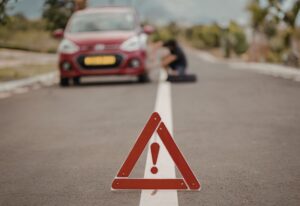
A Real Breakdown Scenario We Encountered
One call stands out as a perfect example of why safety should always come first.
A vehicle had broken down directly on a highway. As our tow truck driver approached the scene, they noticed the vehicle’s hazard lights were not activated. This meant approaching traffic had very little warning that a disabled vehicle was sitting ahead.
Immediately, our driver deployed all emergency lighting on the tow truck to increase visibility.
Because the vehicle was located in an active traffic area, our team worked to create space and safely assisted in moving the disabled vehicle into the median. Once the vehicle was relocated away from active traffic, the tow truck hookup could be completed much more safely.
The lesson is clear: getting a disabled vehicle out of the flow of traffic can significantly reduce risk for everyone involved.
What We Want Drivers to Remember
After 15 years and thousands of breakdown calls, our biggest piece of advice is straightforward:
If your car breaks down, don’t focus on the vehicle first—focus on safety first.
Turn on your hazard lights immediately. Increase visibility. Move the vehicle to a safer location if possible. Get yourself out of harm’s way. Then call for assistance.
The biggest thing people get wrong is failing to activate their hazard lights or failing to move themselves to safety as quickly as possible.
The right response is to illuminate the scene, increase visibility, and safely move out of harm’s way.
Those simple actions can make all the difference while waiting for help to arrive.