

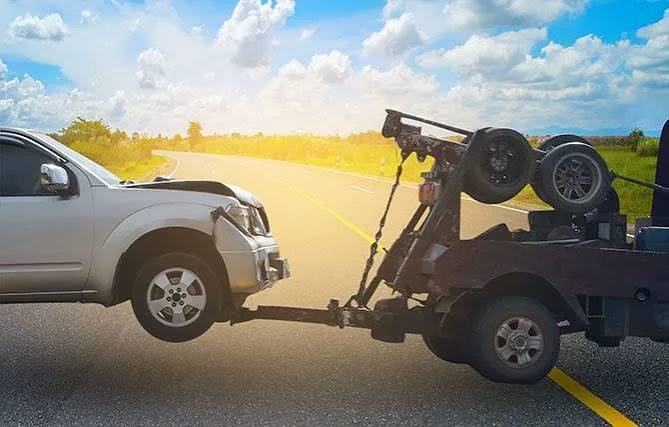
Can Towing Damage My Car?
The short answer is yes—but only if it’s done improperly.
One of the biggest misconceptions I hear is that tow trucks damage vehicles. In reality, a properly trained towing professional using the right equipment should be able to transport your vehicle safely. Most towing damage isn’t caused by the tow truck itself—it’s caused by inexperience, improper equipment, or poor towing practices.
As someone who’s worked in the towing industry for over 15 years, I’ve seen firsthand how preventable most towing damage really is. I’ve also seen the consequences when companies cut corners. Knowing what to look for before your vehicle is towed can save you from costly repairs and unnecessary headaches.
How Can Towing Damage a Car?
There are several ways a vehicle can be damaged during a tow if proper procedures aren’t followed.
Oil Pan Damage
One of the most common problems occurs when there isn’t enough clearance between the vehicle’s oil pan and the wheel lift.
If the driver doesn’t account for the vehicle’s ground clearance or drives too aggressively over speed bumps, dips, or uneven roads, the oil pan can strike the wheel lift or the ground. A damaged oil pan can quickly become a major repair if it begins leaking engine oil.
This is why experienced operators pay close attention to vehicle clearance before loading and during transport.
Transmission Damage on AWD Vehicles
Another common mistake involves all-wheel drive (AWD) vehicles.
If the towing company doesn’t identify that the vehicle is AWD and tows it with only two wheels off the ground, serious drivetrain or transmission damage can occur.
Whenever possible, I recommend transporting AWD vehicles on a flatbed so all four tires remain securely on the deck throughout the trip.
Improper Tie-Down Procedures
Securing the vehicle correctly is just as important as loading it correctly.
If a vehicle isn’t tied down properly, it can shift during transport. Hard braking, sudden maneuvers, or large bumps can allow the vehicle to move—or in extreme cases, even fall from the truck.
Proper tie-down procedures aren’t optional. They’re one of the most important parts of every tow.
Using Incorrect Recovery or Pulling Points
Another mistake I occasionally see is operators attaching winch lines or hooks to parts of the vehicle that aren’t designed to support its weight.
Every vehicle has designated towing or recovery points. Hooking onto suspension components, body panels, or other fragile parts can bend or break expensive components during loading.
Professional operators know where the manufacturer-approved attachment points are and use them accordingly.
Lack of Insurance
Sometimes the damage isn’t the biggest problem—the lack of insurance is.
Even the best towing companies can experience accidents. That’s why every professional towing company should carry adequate insurance to cover customer vehicles if something unexpected happens.
If a company isn’t properly insured, you could be left dealing with the repairs yourself.
Which Vehicles Require Extra Care?
Some vehicles are much more sensitive during towing than others.
Lowered Vehicles
Lowered vehicles require extra attention because of their reduced ground clearance.
Whenever possible, I recommend using a flatbed. Additional loading ramps help reduce the loading angle, and soft straps allow the vehicle to be winched safely without damaging the bumper or undercarriage.
Trying to rush the loading process without the proper equipment often leads to preventable damage.
All-Wheel Drive Vehicles
AWD vehicles should generally be transported on a flatbed so all four tires remain off the road.
Using the wrong towing method can result in extremely expensive drivetrain repairs.
Electric Vehicles
Electric vehicles require their own procedures.
Before towing, we make sure the vehicle is placed into Tow Mode according to the manufacturer’s recommendations. Skipping this step can create unnecessary problems during transport.
Luxury, Exotic, and Classic Cars
When transporting luxury, exotic, or classic vehicles, I always prefer using a flatbed.
Keeping the entire vehicle on the deck minimizes the chances of road-related damage and provides the safest method of transport.
These vehicles often have lower clearance, specialized bodywork, or valuable finishes that deserve extra care.
Heavy-Duty Trucks
Heavy-duty towing presents different challenges.
One of the biggest concerns isn’t securing the vehicle—it’s overall height.
Experienced operators must constantly consider low bridges, power lines, tree branches, and neighborhood routes. Choosing the wrong route can create serious problems before reaching the destination.
A Real Example From My Experience
I once helped a customer whose vehicle had previously been damaged by another towing company.
The customer’s car sat lower than average, and the previous company didn’t have the proper equipment to load it safely. During loading, the bumper was damaged because they attempted to load it without accounting for the vehicle’s low ride height.
When the customer contacted us, I explained exactly how we would approach the tow differently.
We used:
- A flatbed truck
- Additional loading ramps to reduce the loading angle
- Soft straps to protect the undercarriage during loading
After explaining the process, the customer immediately understood how the previous damage could have been prevented.
The tow went exactly as planned, and the vehicle arrived without any damage.
Sometimes the biggest difference isn’t the truck—it’s knowing how to use the right equipment.
Questions You Should Ask Before Hiring a Tow Company
Most customers only think about price.
I think there are much better questions to ask.
Before hiring any towing company, ask:
- Does my vehicle require a flatbed?
- Are you fully insured if my vehicle is damaged during transport?
- Do you have the proper equipment for AWD vehicles?
- Have you towed vehicles like mine before?
- Do you have the equipment necessary for lowered or specialty vehicles?
A reputable company should have no problem answering these questions.
How to Protect Your Vehicle Before It’s Towed
There are several simple steps every vehicle owner should take before the tow begins.
I recommend:
- Taking clear photos or a short video of the vehicle from every angle.
- Pointing out any existing damage to the driver.
- Asking the driver to acknowledge any pre-existing damage before loading.
- Removing loose or valuable personal belongings.
- Asking how the vehicle will be towed and whether a flatbed is necessary.
These small steps provide peace of mind and help avoid misunderstandings later.
The Biggest Myth About Towing
The biggest myth I hear is:
“Tow trucks damage cars.”
That’s simply not true.
Poorly trained operators damage cars.
Professional towing companies invest in training, proper equipment, safe loading procedures, and continual education because every vehicle is different.
When the right truck, the right equipment, and the right operator come together, towing is an extremely safe process.
What Makes a Professional Towing Company Different?
Professional towing isn’t just about owning a tow truck.
It’s about knowing how to evaluate every vehicle before loading it.
That includes:
- Identifying the correct towing method.
- Inspecting the vehicle before loading.
- Using specialized equipment when needed.
- Communicating with the customer throughout the process.
- Following a consistent step-by-step loading procedure.
- Treating every vehicle as if it were our own.
Those habits dramatically reduce the chances of damage.
Final Thoughts
Can towing damage your car?
Yes—but in my experience, most towing damage is completely preventable.
Choosing the right Towing Company in Oahu is far more important than simply choosing the cheapest one. A reputable company will have the proper training, specialized equipment, and insurance to transport your vehicle safely while minimizing the risk of damage.
If you remember only three things from this article, remember these:
- Don’t choose a towing company based on price alone.
- Make sure the company is properly insured.
- Ask whether your vehicle should be transported on a flatbed.
A professional towing company will gladly explain its process, answer your questions, and use the proper equipment to protect your vehicle from start to finish.