
What to Do When Your Car Overheats in Hawaii
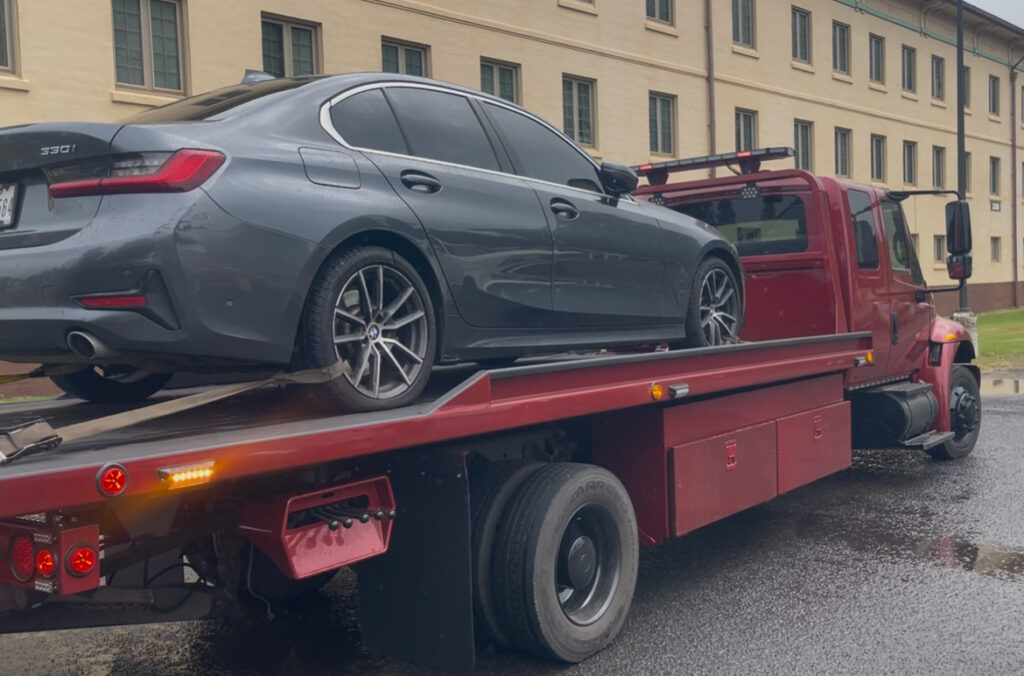
If your car starts overheating while you’re driving in Honolulu, the most important thing you can do is act quickly. I’ve seen far too many drivers turn a minor cooling system problem into a major engine repair simply because they kept driving “just a little farther.”
As a towing company serving drivers across Oahu, we regularly respond to overheating vehicles all over the Island. Not just in Honolulu but we also provide towing services in Ewa, Kapolei, Mililani, Waipahu, Wahiawa and Pearl city to name a few. While every situation is different, the causes and mistakes are often the same. Oahus stop-and-go traffic, steep hills, warm climate, and aging vehicles create the perfect conditions for cooling system problems.
Knowing what to do when your engine overheats can protect your safety, prevent expensive repairs, and potentially save you thousands of dollars.
Why Cars Overheat More Often in Hawaii
One thing I’ve learned from years in the towing industry is that Hawaii can be especially hard on vehicles.
The most common overheating calls we receive involve:
- High-mileage vehicles with more than 100,000 miles
- Leaking cooling systems
- Low coolant levels
- Older radiators or hoses that have started to fail
Our roads also contribute to the problem.
Stop-and-go traffic keeps engines running hot with limited airflow through the radiator. Add in long uphill climbs around the island, and your engine has to work even harder to stay cool.
If your cooling system is already weak, Hawaii’s driving conditions can quickly expose the problem.
The First Thing You Should Do When Your Car Overheats
If you notice your temperature gauge climbing higher than normal or see steam coming from under the hood, don’t ignore it.
Safely pull over as soon as possible.
Whenever possible:
- Pull into a parking lot.
- If that’s not available, pull onto a wide shoulder or median where you’re as far away from traffic as possible.
- Turn off the engine.
- Allow the vehicle to cool for at least 30 to 60 minutes.
Don’t rush this step.
The cooling system remains under extreme pressure after the engine overheats, and opening it too soon can cause serious burns.
Never Open the Radiator Cap Right Away
This is one of the biggest mistakes I see.
People panic, immediately pop the hood, and try opening the radiator cap while the engine is still extremely hot.
Don’t do it.
Wait until the engine has cooled for at least 30 to 60 minutes before touching the radiator cap. Even then, use a rag or towel to protect your hands in case there is still some remaining pressure.
Hot coolant can spray out unexpectedly and cause severe injuries.
Can You Add Water Instead of Coolant?
Ideally, you should always use coolant.
If you’re stranded and coolant isn’t available, adding water can be a temporary solution to get you out of an emergency.
However, water should only be considered a short-term fix.
Once you’re able to, the cooling system should be properly drained and filled with the correct coolant mixture. Running only water for an extended period can lead to corrosion and rust inside the cooling system.
Is It Safe to Keep Driving?
It depends on why the vehicle overheated.
If the engine has cooled down and you discover it was simply low on coolant, you can top off the radiator and carefully test drive the vehicle for a few minutes.
Watch your temperature gauge closely.
If the gauge stays at its normal operating temperature, you may have solved the immediate problem.
However, if the temperature starts climbing above the halfway mark again, your cooling system is not working properly.
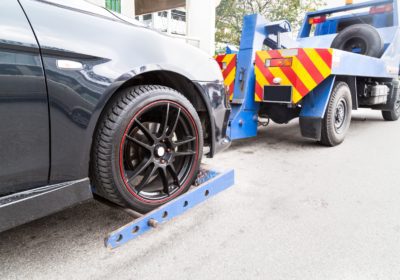
Pull over immediately and call for a Professional Tow rather than risking further engine damage.
Continuing to drive is one of the fastest ways to turn a manageable repair into catastrophic engine damage.
The Biggest Mistake Drivers Make
Without question, the biggest mistake I see is people trying to “make it home.”
I understand why.
Nobody wants to pay for a tow.
But trying to save a few hundred dollars on towing can easily turn into several thousand dollars in engine repairs.
When your engine overheats, every additional minute you continue driving increases the risk of permanent damage.
Why a Blown Head Gasket Is So Expensive
One of the most expensive consequences of driving an overheating vehicle is blowing the head gasket.
Replacing a head gasket is an extremely labor-intensive repair. Much of the engine has to be disassembled just to access the gasket itself.
Here in Hawaii, labor costs are already higher than many places on the mainland, which makes these repairs even more expensive.
I’ve also seen head gaskets wear out faster when drivers consistently put excessive strain on their engines by:
- Accelerating aggressively uphill
- Towing heavy loads
- Carrying excessive weight
- Frequently pushing the engine under heavy throttle
When your engine is already overheating, these conditions create even more pressure inside the engine.
Warning Signs You Should Never Ignore
Most overheating problems don’t happen without warning.
The biggest warning sign people overlook is the temperature gauge slowly creeping higher than normal.
Other warning signs include:
- Coolant leaking underneath your vehicle
- Steam coming from the engine compartment
- A sweet smell from leaking coolant
- Dashboard temperature warning lights
- The heater suddenly blowing cold air
- Frequently needing to add coolant
If you notice any of these symptoms, don’t wait until you’re stranded on the side of the road.
Getting the cooling system inspected early is almost always less expensive than waiting for complete failure.
What to Do if You Get Stuck in Traffic or on a Hill
Sometimes you don’t have many options.
If you’re climbing a steep hill or sitting in heavy traffic and your engine starts overheating, your priority should always be finding the safest place to pull over.
Don’t continue driving just because you think you’re close to your destination.
Getting safely off the road is always the better choice than risking severe engine damage.
Preventing Your Car from Overheating
The best repair is the one you never need.
In my experience, regular maintenance prevents the vast majority of overheating problems.
This becomes even more important once your vehicle reaches 100,000 miles.
I recommend:
- Regularly checking your coolant level
- Inspecting for coolant leaks
- Replacing worn hoses before they fail
- Watching your temperature gauge during every drive
- Having your cooling system inspected during routine maintenance
These simple habits can save you both time and money while helping you avoid an unexpected roadside breakdown.
Need a Tow for an Overheating Vehicle?
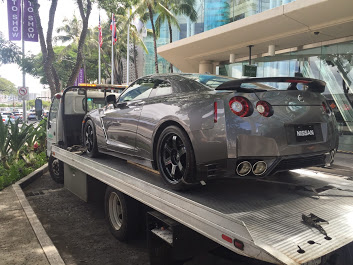
If your vehicle continues overheating after adding coolant or your temperature gauge keeps rising, don’t risk causing more damage by continuing to drive.
Calling for a professional tow may actually be the least expensive decision you make that day.
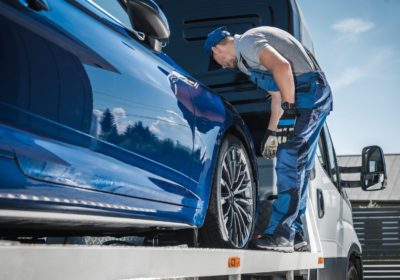
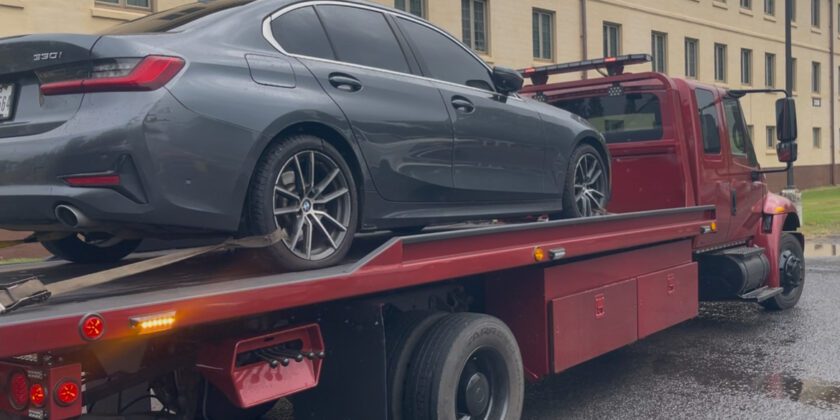
At Hawaii Towing Company, we regularly assist drivers whose vehicles have overheated throughout Oahu. From towing in Ewa, Waipahu, Kapolei, Mililani, Wahiawa all thay to Honolulu, We’ll safely transport your vehicle to your trusted repair shop so the problem can be diagnosed before it becomes an even more costly repair.
When it comes to overheating, acting early is almost always the difference between replacing a hose and replacing an engine.