

When people search for the history of Wahiawa, they will find stories about pineapple fields, agriculture, Schofield Barracks, and the development of Central Oahu.
Those things are an important part of Wahiawa’s history. But for those of us who grew up on Oahu, there is another side to the story.
Wahiawa is the drive through town on the way to the North Shore. It is the cooler air, old houses, huge trees, local food, and people who have called this community home for generations.
And for me, it will always be the lychee.
Hawaii Towing Company has served Wahiawa and communities throughout Oahu for more than 15 years. However, my memories of Wahiawa started long before I was answering towing calls there.
This is the Wahiawa I remember.
Wahiawa’s Agricultural History
Agriculture played a major role in shaping modern Wahiawa.
The Wahiawa Settlement Association was formed in 1898. According to records preserved by the Hawaii State Archives, the settlement was created as an organized effort to demonstrate the commercial potential of growing different crops and fruits on Oahu.
Pineapple became one of the area’s most important crops.
That agricultural history helped shape not only Wahiawa’s economy, but also the appearance and character of the town.
Even today, you can still see reminders of an older Oahu when driving through Wahiawa.
The Plantation-Style Homes of Wahiawa
One of my favorite things about Wahiawa is that parts of it seem like they have hardly changed.
Drive through some of the older neighborhoods and you will still see simple homes surrounded by mature trees. They give Wahiawa a character that feels different from many of Oahu’s newer communities.
There is real history behind that feeling.
A historic architectural survey of Wahiawa found that Plantation style was the most common architectural style among the properties surveyed. The report identified both early Plantation homes and Mid-Century Plantation-style houses throughout the community.
For me, those older homes are part of what makes Wahiawa special.
You combine them with the cooler weather, trees blowing in the wind, and slower country atmosphere, and sometimes driving through Wahiawa feels like seeing a piece of the Oahu I remember growing up.
Growing Up, Wahiawa Was Our Gateway to the North Shore
Growing up, I always thought of Wahiawa as the gateway between the west side and the North Shore.
If we were going around the island, Wahiawa was one of those towns we would pass through along the way.
It was small.
It was cool.
It felt country.
But there was one thing about Wahiawa that always stood out to me.
The lychee trees.
The Lychee Trees I Didn’t Know I Would Miss
When lychee season came around, we had aunties and uncles who would give us bags full of fresh lychee from their trees.
As a kid, I never thought much about it.
Someone would hand you a bag of lychee, you would eat it, and that was that. It was simply another part of growing up in Hawaii.
I didn’t realize how special those moments were until I got older.
Looking back, it wasn’t really just about the fruit.
It was about having aunties and uncles who would pick something growing in their yard and send you home with a bag.
That was normal.
Today, those simple memories mean so much more.
When I think about Wahiawa, I can still picture the trees, feel that cooler air, and remember those bags of lychee during lychee season.
The Wahiawa People See and the Wahiawa Locals Know
Ask someone unfamiliar with Wahiawa what the town is known for and you may hear several familiar names.
Wahiawa Botanical Garden, Lake Wilson, Green World Coffee Farm, and nearby Schofield Barracks are all associated with the area.
But ask me what Wahiawa is, and two other places immediately come to mind:
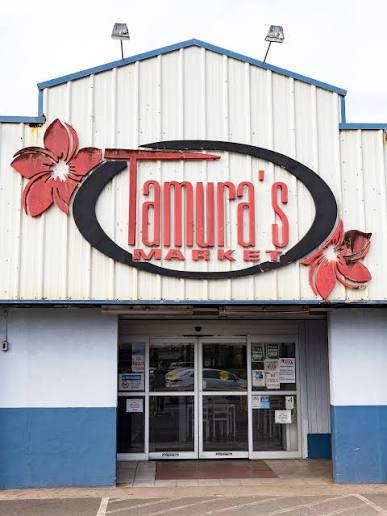
Dong Yang and Tamura’s.
These aren’t simply businesses to mention on a list of places to visit. They are part of the local Wahiawa experience.
Dong Yang Inn: A Wahiawa Favorite Since 1975
Dong Yang Inn has been serving Korean food in Wahiawa since 1975.
Over the decades, the restaurant became particularly well known for its generous portions and local-style Korean food, including its popular meat jun.
For many local families, places like Dong Yang become more than restaurants.
They become part of your routine.
They are where you have eaten countless times, where someone in your family always orders the same thing, and where returning years later can bring back memories before you even take your first bite.
That is the Wahiawa I know.
Tamura’s and Its Wahiawa History
Tamura’s has its own connection to Wahiawa’s more recent history.
The Tamura family’s grocery history in Hawaii stretches back generations. In 1995, Tamura Enterprises purchased Big Way Super Market in Wahiawa.
Rather than building something completely disconnected from what was already there, the business kept approximately 50 Big Way employees when it took over.
That detail says something about the kind of community Wahiawa has always been.
Local businesses and local people are connected.
Today, when I think about Wahiawa, Tamura’s is simply part of the town.
Wahiawa Is More Than a Town You Drive Through
It is easy to overlook Wahiawa.
Thousands of people travel through Central Oahu on their way toward the North Shore. Sometimes the goal is simply to get through town and continue the drive.
But slow down.
Get something to eat at Dong Yang. Stop at Tamura’s. Visit Wahiawa Botanical Garden. Spend some time around Lake Wilson or stop at Green World Coffee Farm.
Then drive through some of the older neighborhoods.
Look at the homes.
Look at the trees.
Roll down your window and feel how the air can be just a little cooler.
That is when you begin to understand why Wahiawa feels different.
Serving the People of Wahiawa
After more than 15 years in the towing business, I have also experienced Wahiawa from a completely different perspective.
We receive calls around Kamehameha Highway, Schofield Barracks, Lake Wilson, and from drivers traveling between Central Oahu and the North Shore.
However, many of our calls come from somewhere much more important:
The longtime residents who actually live in Wahiawa.
Those families are the heart of the town.
Over the years, we have had the opportunity to meet many of them while providing towing and roadside assistance. Their kindness and aloha are part of what makes serving Wahiawa special to us.
When someone’s vehicle breaks down, we may only meet that person for a short period of time. Yet those interactions give us another opportunity to experience the community behind the place.
That is one reason we are proud to provide towing services in Wahiawa.
What Has Changed About Wahiawa?
Oahu has changed tremendously.
New homes have been built. Communities have expanded. Traffic has increased. Places that once felt far away are now filled with shopping centers, restaurants, and development.
Yet Wahiawa somehow still feels like Wahiawa.
Of course, things have changed over the years. But compared with many other parts of Oahu, there are moments when Wahiawa still gives me that familiar country feeling.
The older homes are still there.
The trees are still there.
The weather still feels a little cooler.
Dong Yang is still serving food.
Tamura’s is still part of the community.
And most importantly, longtime Wahiawa families are still there.
The Wahiawa I Remember
The history of Wahiawa can be told through dates, agriculture, pineapple, architecture, and military history.
All of those things matter.
But history is also personal.
It lives in the places where we ate, the roads our families drove, the houses we passed, and the people we remember.
For me, Wahiawa will always be that little country town we passed through on our way to the North Shore.
It is Dong Yang and Tamura’s.
It is the old houses and trees moving in the cool breeze.
It is meeting longtime residents through our towing business and seeing the aloha they still carry.
And it is an aunty or uncle handing you a big bag of fresh lychee during lychee season.
At the time, I didn’t know something so simple would become such a special memory.
Now I do.